
Munich's postcard centre gets most of the attention, but the city's real set piece sits four kilometres west, at the end of a dead-straight canal: a Baroque summer palace with a working porcelain workshop at its own front gate, and 180 hectares of parkland behind it. This is where Bavaria's electors spent their summers, and in August 2026 it remains open — and empty — enough to walk the whole ensemble, palace to porcelain to park, in one unhurried day.
The Palace Itself
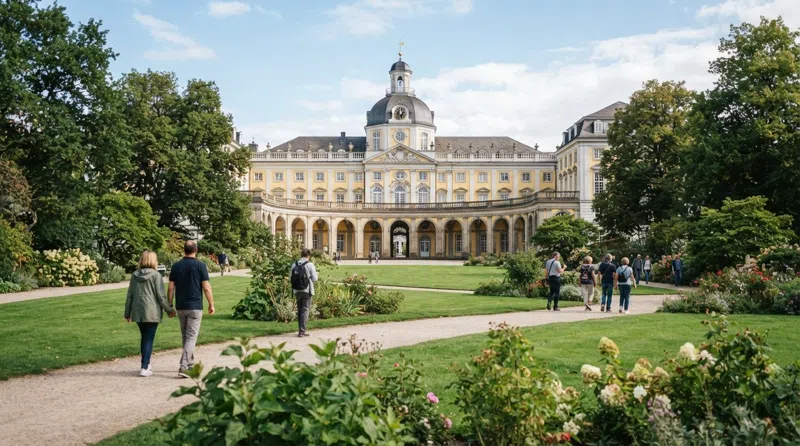
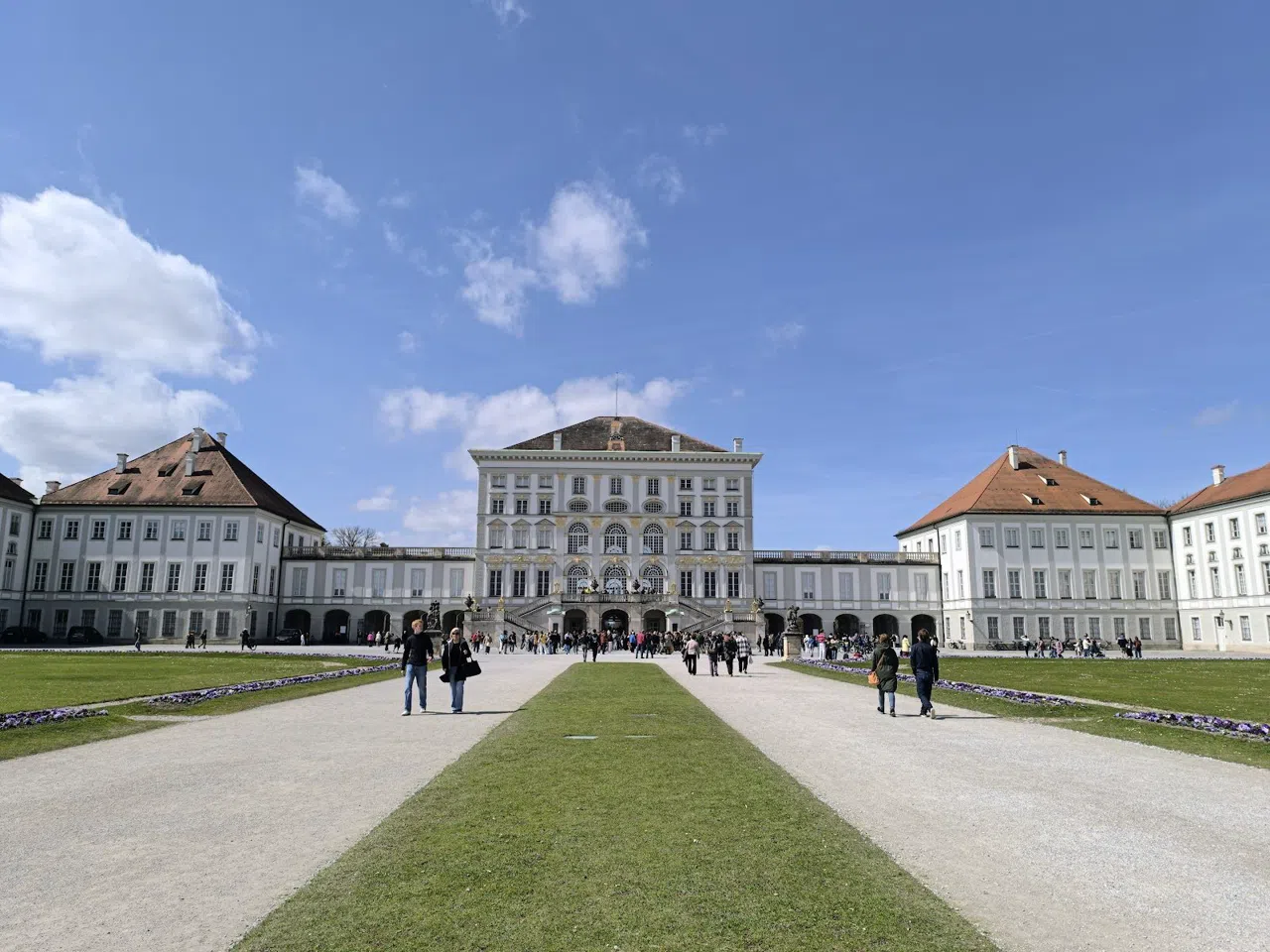
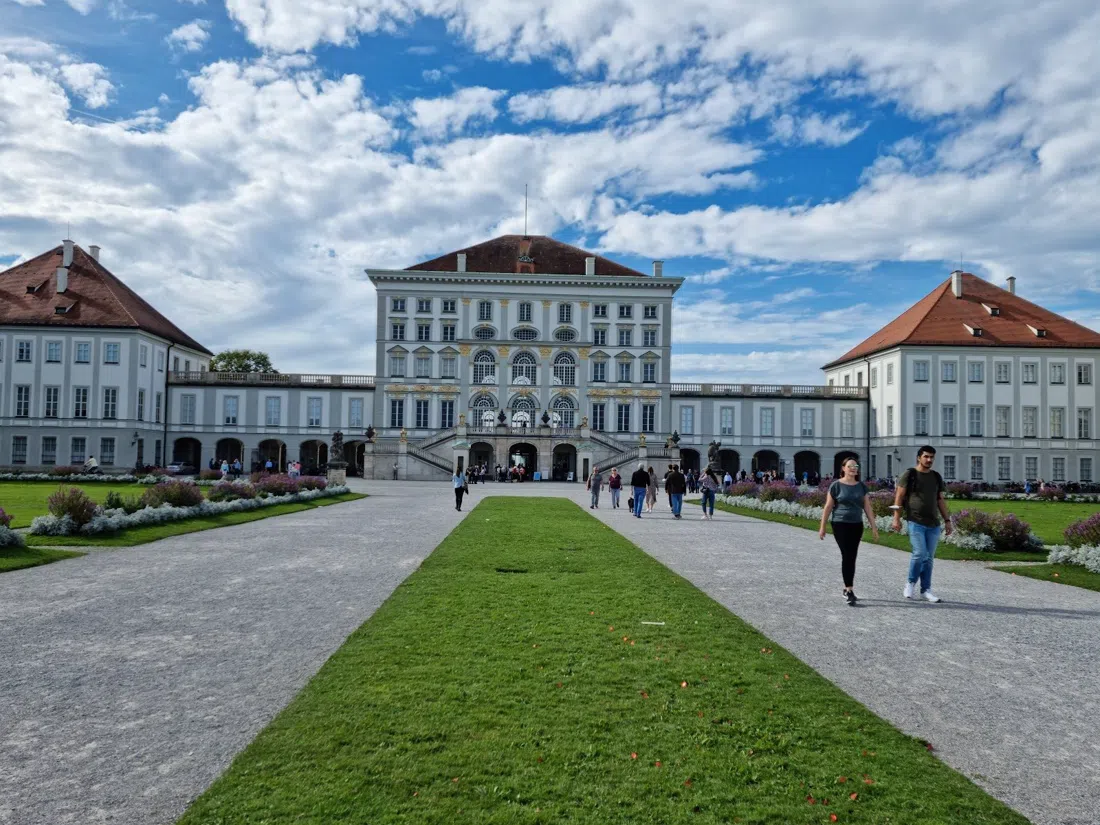
Schloss Nymphenburg (Nymphenburg district) is the building everything else in this guide radiates out from: a long, pale-yellow Baroque facade built up over three generations of Wittelsbach electors, facing the canal and backing onto the park. Inside, the State Rooms and the Great Hall are the draw — frescoed ceilings, gilded stucco, and the Gallery of Beauties, Ludwig I's collection of portraits of the women he considered the most striking of his era. Groups are welcome but capped: 25 people plus one guide per timed slot, and English-language group tours need to go through the central booking system in advance rather than turning up and hoping. A palace-only ticket is €8; the €20 combi-ticket also covers the park palaces and the Marstallmuseum and runs April to October, which is the better buy for anyone doing more than the main building. One honest flag for 2026: the Great Parterre fountain in front of the palace is out of service for a pump-house repair, so the classic postcard shot of jets against the facade won't happen this summer. The building and the canal still will.
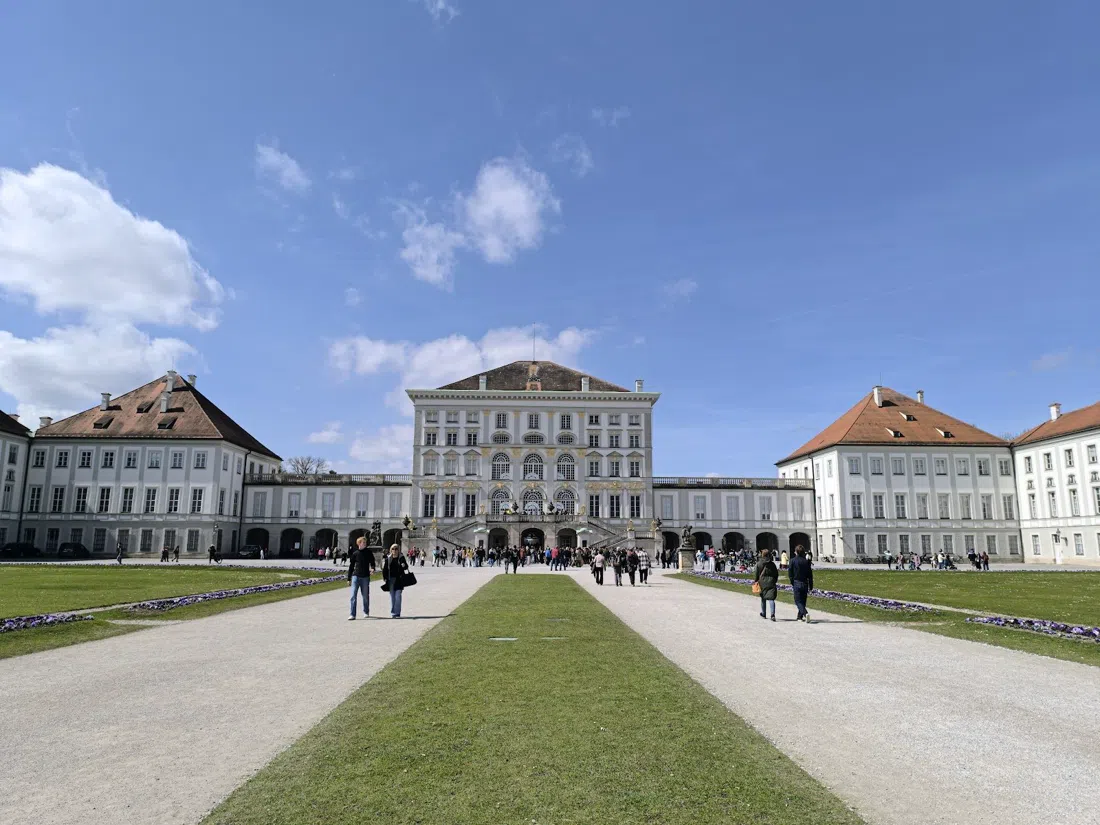
Arrive at opening if you can. The State Rooms are a single one-way route with no side corridors to escape into, and a coach group ahead of you sets the pace for the next twenty minutes.
Carriages and Porcelain, One Roof
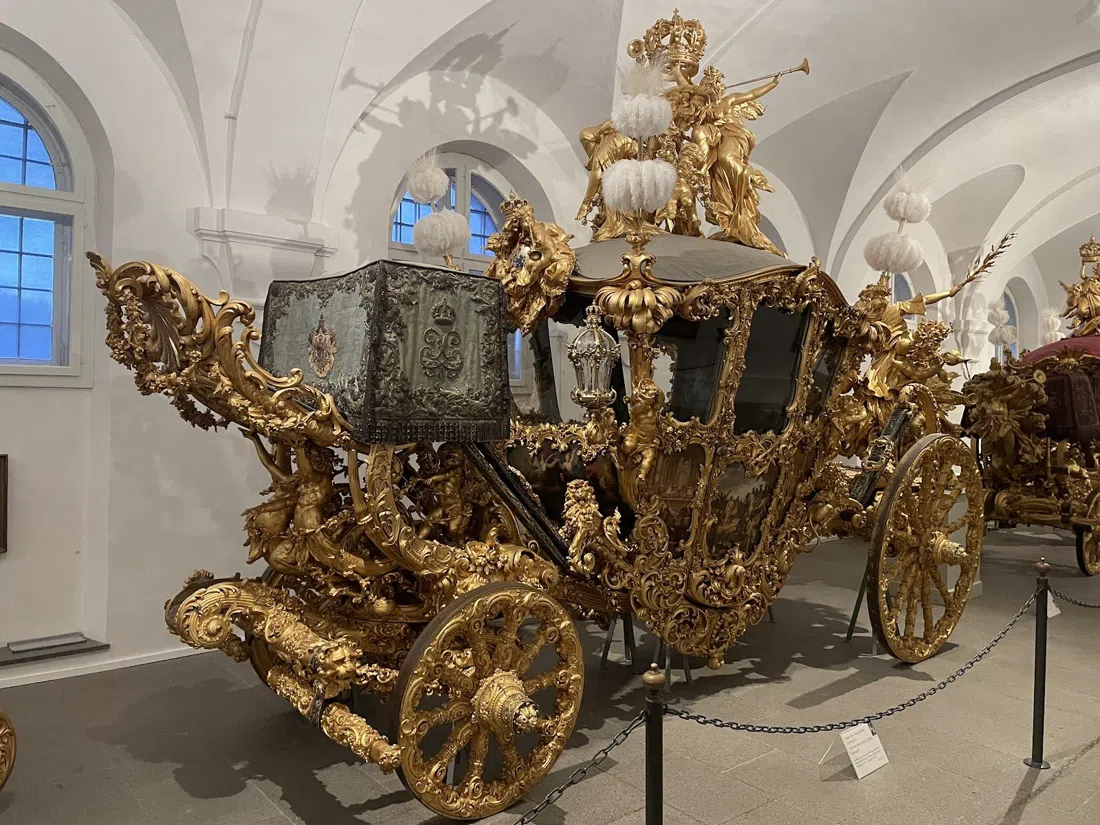
Inside the same building, the Marstallmuseum & Museum Nymphenburger Porzellan (Nymphenburg district) is the two-in-one stop most visitors don't realise is included: royal carriages and sleighs on the ground floor, three centuries of Nymphenburg porcelain upstairs, in the former court stables wing. No separate timed slot to book — it rides on the palace's combi-ticket, or €8 standalone if you're skipping the palace itself. Groups are welcome here too, and because it doesn't need its own booking slot, it's the practical answer for a group whose palace tour has already used its 25-person cap for the morning: send half the group to the Marstallmuseum while the other half does the State Rooms, then swap before lunch.
The Park Pavilions
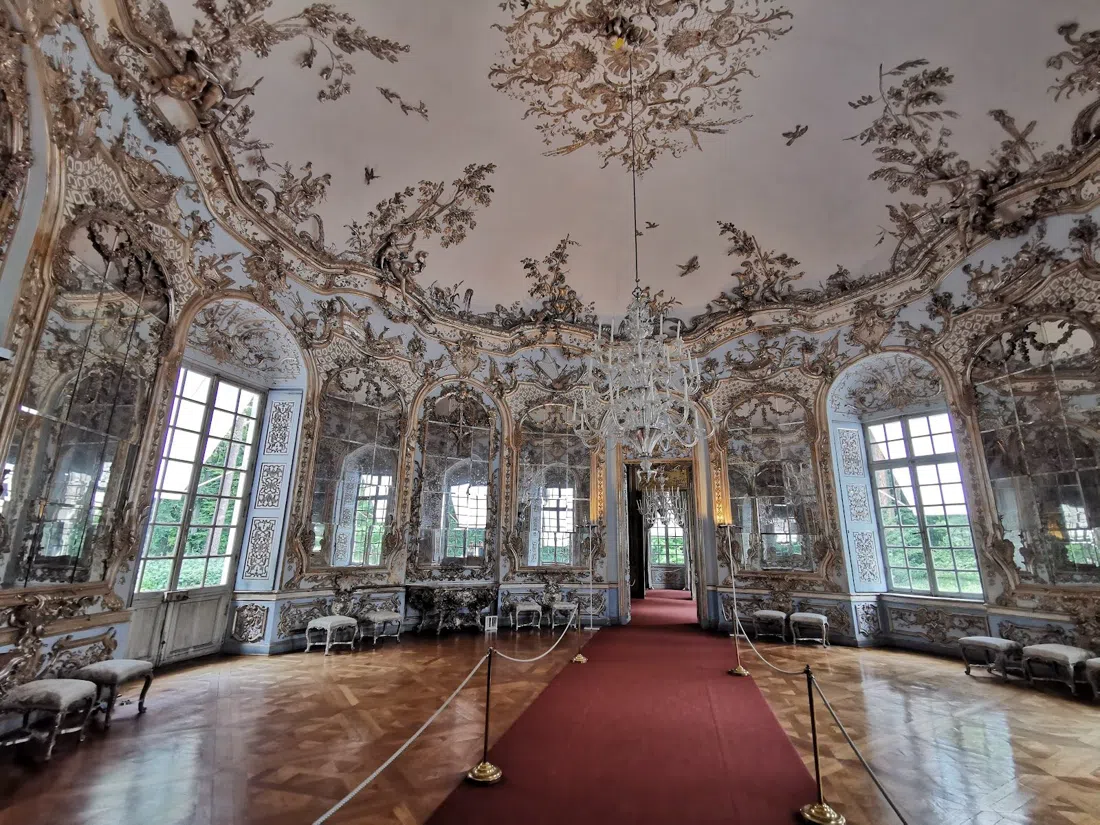
Fan out into the park and the pavilions start, each a different mood entirely from the main palace. Amalienburg (Nymphenburg park) is the one to build a morning around: a Rococo hunting lodge with a mirrored Hall of Mirrors that's arguably the single most photographed interior in Munich, silver-on-blue stucco by François de Cuvilliés at full stretch. Small groups fit fine within the pavilion's own capacity — there's no advance booking, you just walk up — and it's €6 on the park-pavilions ticket or included in the €20 combi. Give it twenty unhurried minutes; it rewards standing still more than photographing quickly.
Further into the park, Badenburg, Pagodenburg and Magdalenenklause (Nymphenburg park) are three genuinely different 18th-century follies rather than three versions of the same idea. Badenburg is a heated bathing pavilion, one of the first of its kind in Europe. Pagodenburg riffs on the chinoiserie fashion of its era. Magdalenenklause is a deliberately rough hermitage, built to look like a ruin on purpose, right down to the cracked plaster. All three are walk-in, no time-slot booking, €6 combined or folded into the palace combi-ticket, and groups are fine. The one date that matters for planning: they close for the season from October 16 through March, so this is a summer-only leg of the day, and worth building your visit around now rather than assuming they'll be there in shoulder season.
The Park and the Garden Next Door
None of the pavilions matter without the ground they sit in. Nymphenburg Palace Park (Schlosspark) (Nymphenburg district) is free, unlimited for group size, and open long hours — until 9:30pm in high summer — which makes it the actual "day out" half of the brief rather than scenery between ticketed buildings. The canal runs the length of it, dead straight from the palace forecourt back through woodland, with waterfowl a fixture of the walk and benches spaced generously enough that you're never far from a rest. Walking the full loop out past the pavilions and back is a solid two hours at an easy pace, longer with stops, and it's genuinely pleasant even for visitors who've already done the palace and just want the park on its own.
Right next door, the Botanischer Garten München-Nymphenburg (Nymphenburg district) is the add-on almost nobody pairs with the palace, and it should be paired more often — greenhouses, a rose garden, and specialist collections across a site that takes a genuine hour or two on its own terms. €5 in summer, with the outdoor areas free in winter; groups are welcome, and reduced group rates are available for anyone bringing more than a handful of people.

Where the Porcelain Comes From
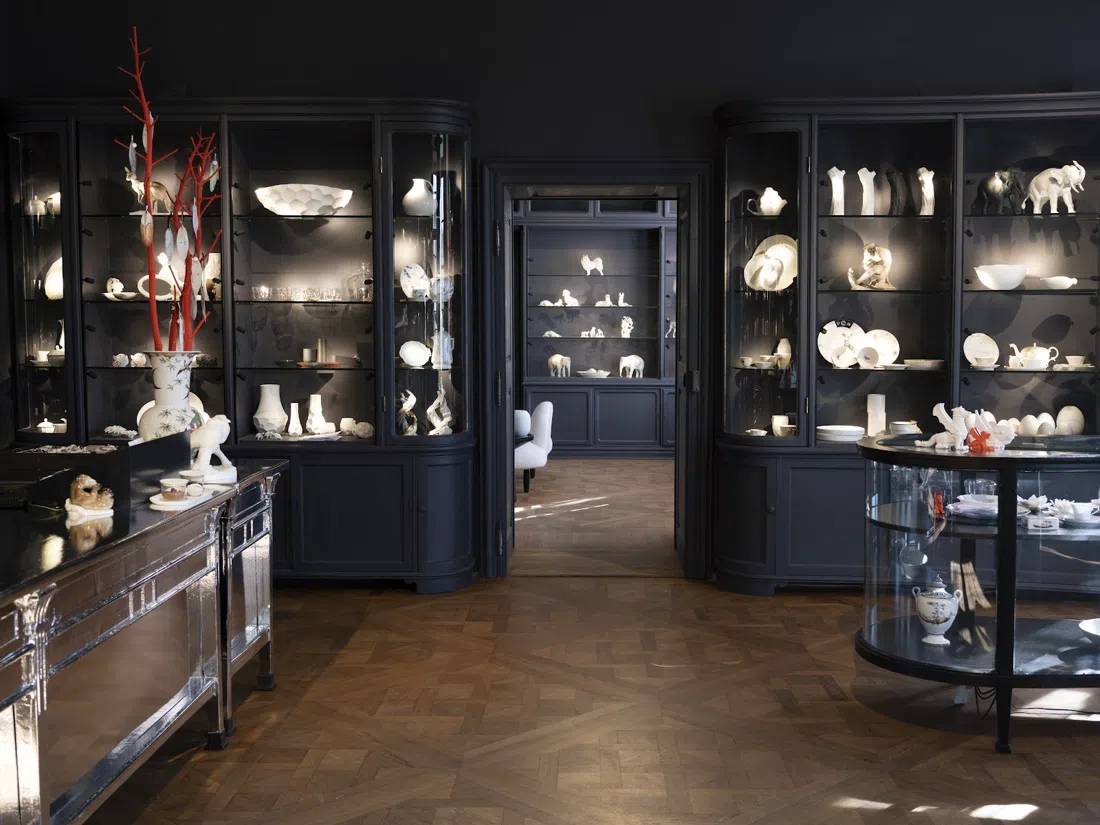
The palace's porcelain collection has a living twin two minutes from the gates. Porzellan Manufaktur Nymphenburg (Nymphenburg district) is the actual manufactory — the source of everything upstairs in the Marstallmuseum, and still working today. The gallery and shop are open to groups daily except Sunday, free to browse, with pieces ranging from around €50 up to several thousand euros for the elaborate figural work the manufactory is best known for. One honest note: production tours aren't a standard offering here. You can't book a factory walk-through on a whim, so anyone wanting to see the workshop floor itself needs to contact the manufactory directly through their consultation page in advance, and shouldn't expect a same-day yes.
Lunch, and a Gondola
For lunch, Schlosscafé im Palmenhaus (Nymphenburg park) is the correct call over anything closer to the palace gates: a family-run restaurant actually inside a greenhouse, not a generic park kiosk trading on the view. Mains run roughly €12–24, it's €€ overall, and it takes groups and private events with advance booking for larger parties. Go after the morning in the palace and before the pavilions — it sits roughly at the park's midpoint, so it splits the day naturally rather than forcing a backtrack.
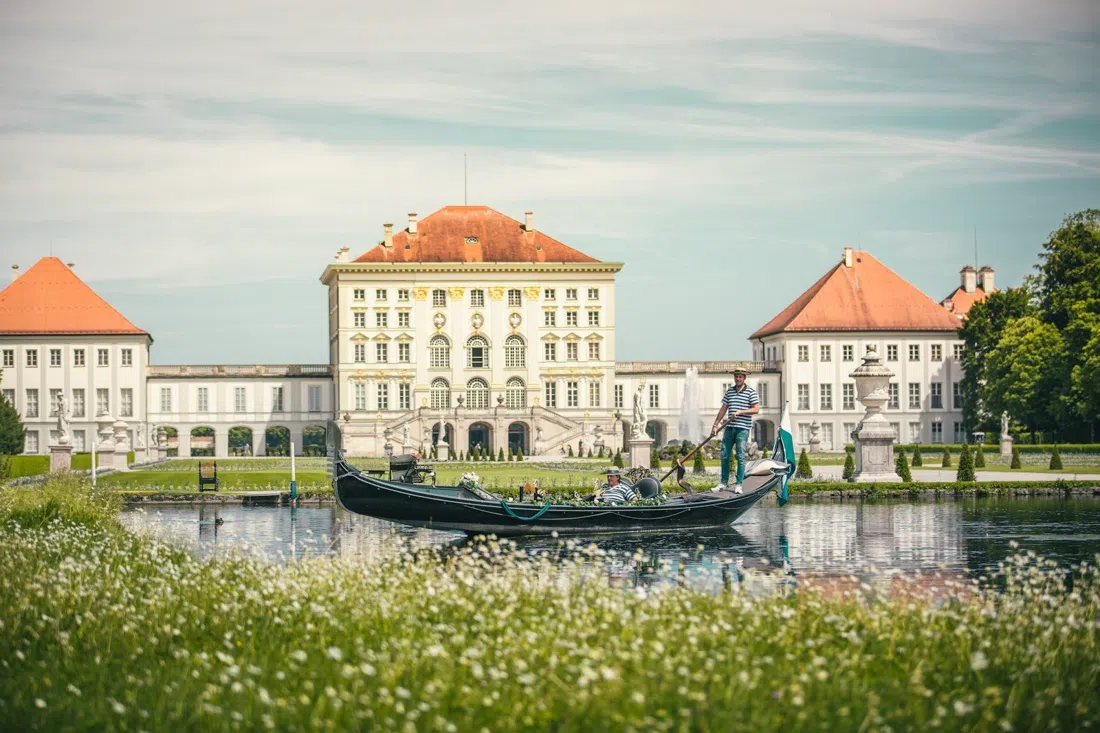
The canal itself is bookable, not just scenery. Gondel Nymphenburg (Nymphenburg park canal) runs regular rides Friday to Sunday, 11am to 6pm, from mid-May to mid-October, at €15 per person for thirty minutes — genuinely tied to the palace's own history as a summer canal residence, and one of the more photographable half-hours in the city. It's a two-man operation, so outside the regular weekend slots, or for a private group charter from €65, call ahead rather than assuming you can walk up on a Tuesday and find someone at the jetty.
Beyond Nymphenburg: Schleißheim and Blutenburg
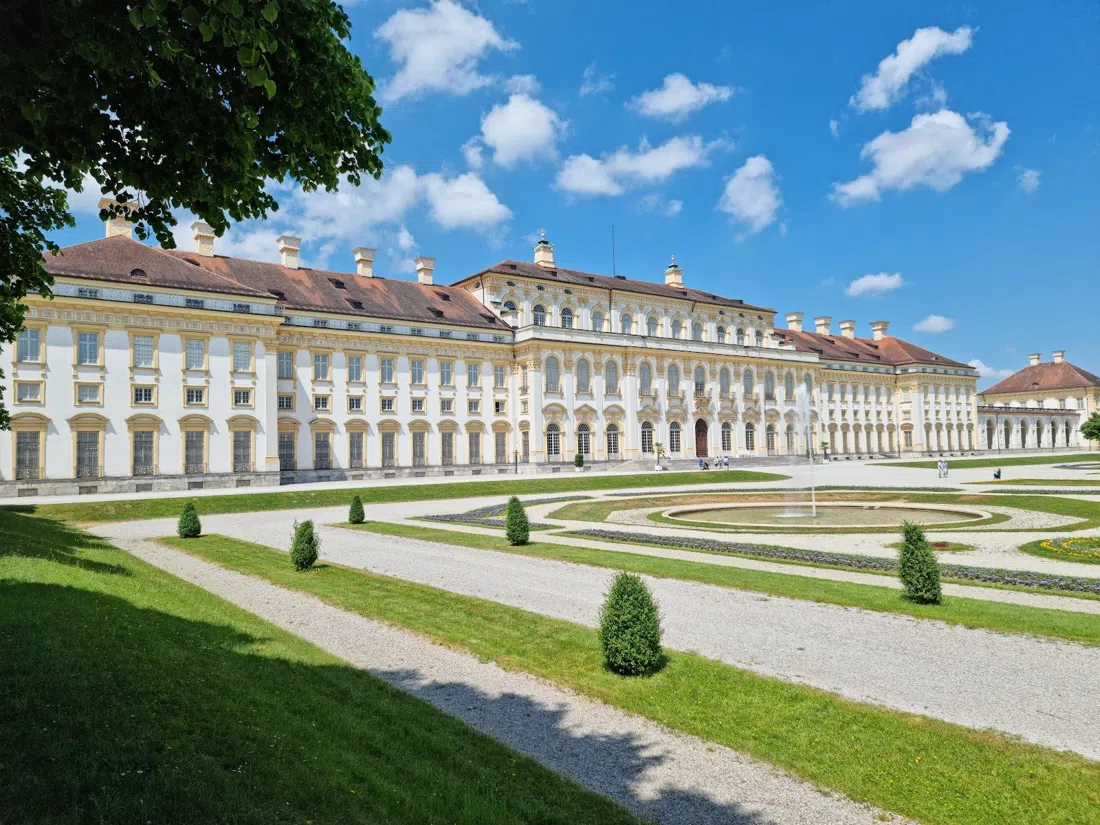
Two further stops extend the theme west and north, and are worth knowing about even if they don't fit into the same day. Neues Schloss Schleißheim (New Schleißheim Palace) (Oberschleißheim) is an under-visited sister ensemble built by the same electors — genuinely comparable Baroque grandeur that most Munich guides skip entirely. It's reachable on the S1 S-Bahn line out to Oberschleißheim, followed by a walk of around fifteen minutes to the palace grounds. Groups are welcome on standard Bavarian Palace Administration terms; €8 standalone, or a combi ticket with Lustheim.
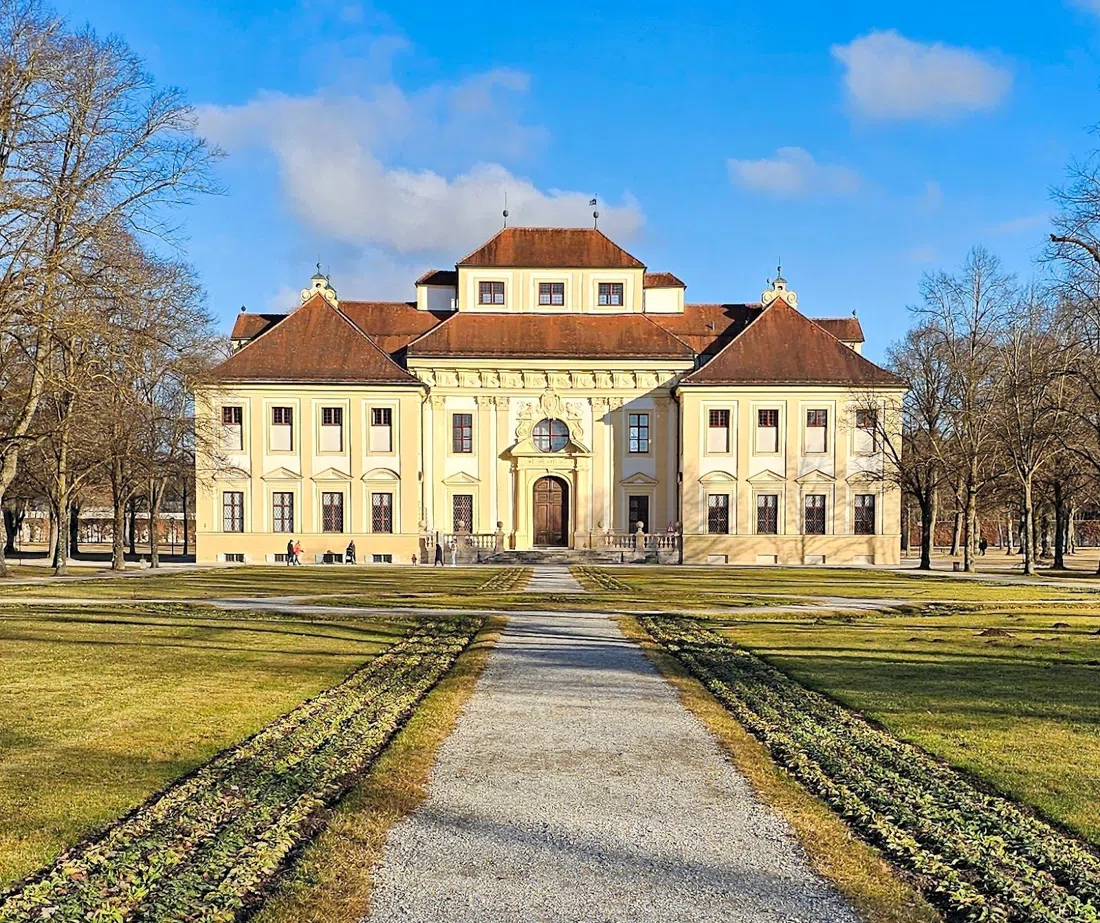
That combi ticket is worth taking, because Schloss Lustheim — Meissen Porcelain Collection (Oberschleißheim) is a second, distinct porcelain angle for the day: Meissen-made rather than Nymphenburg-made, housed in its own garden pavilion across the parterre from the New Palace. It's included in the Schleißheim combi ticket, groups are welcome, and there's a free public guided tour on the first Sunday of every month at 2pm, worth timing a visit around if your dates line up.
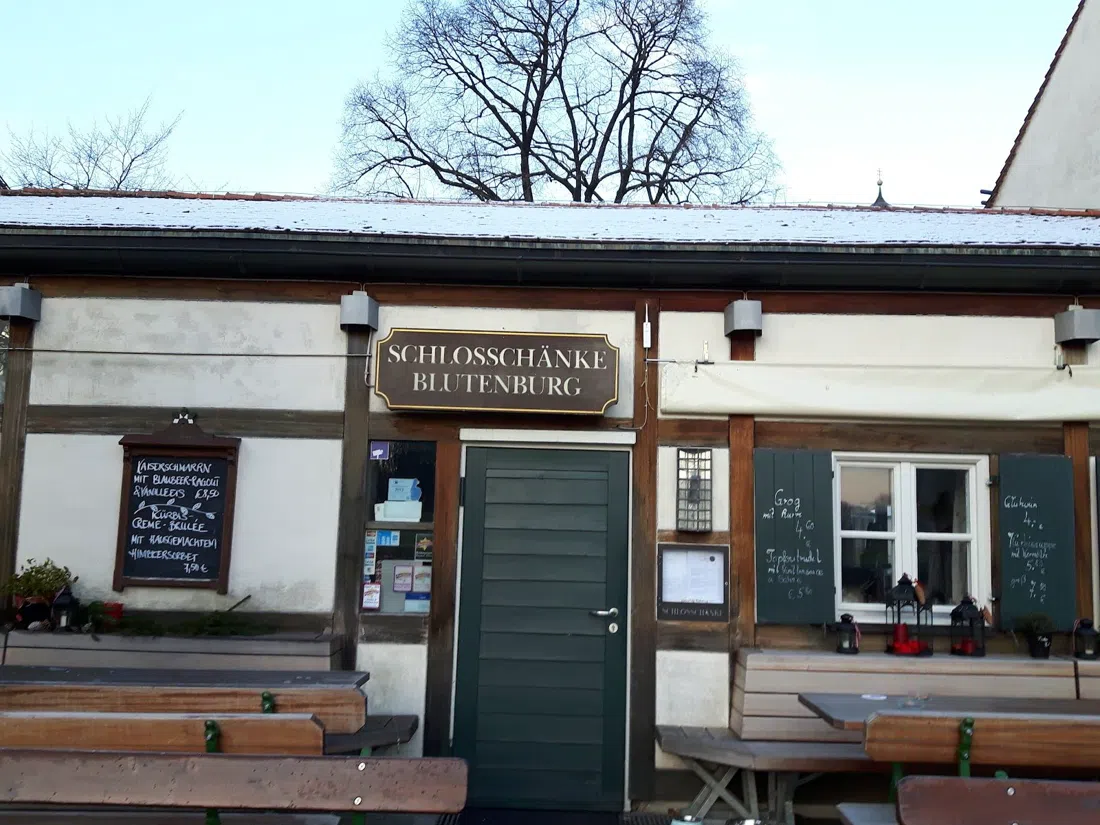
Further southwest, Schloss Blutenburg (Obermenzing) is a different genre entirely — a Gothic moated castle rather than a Baroque palace — so it's worth using sparingly rather than folding into the same narrative as Nymphenburg. The grounds are free and open to groups; the chapel and exhibitions keep normal museum hours and are free too, aside from occasional ticketed special exhibitions. It pairs naturally with lunch at the adjoining Schlossschänke if you're already out that way and want a quieter, less-visited counterpoint to the main ensemble.
Planning the Day
Getting there: Tram 17 runs directly from central Munich, past Stachus and the Hauptbahnhof, to the Schloss Nymphenburg terminus in around twenty minutes — no car needed, and parking near the palace gates is limited on a summer weekend regardless. For Schleißheim, take the S1 to Oberschleißheim and allow fifteen minutes on foot from the station. If you're staying centrally, start your Munich hotel search somewhere on or near the tram 17 line, so the whole west side of the city is a single change away.
Cash and cards: Card is fine for tickets, the café and the manufactory shop; the gondola operator, being a two-man business, is safer to assume cash-friendly if you're paying on the day rather than pre-booking a slot.
Timing: Go on a weekday if you can. Weekends bring Munich families out to the park in numbers, and Amalienburg's small interior fills fast on a Saturday afternoon. Aim to arrive by mid-morning: palace first (90 minutes to two hours done properly), lunch at the Palmenhaus, pavilions and gondola in the afternoon, park loop as the light turns gold toward evening.
Budget: The €20 combi-ticket covers the palace, Marstallmuseum, and all three park pavilions, and is the only ticket most visitors need. Add €15 for the gondola and €12–24 for lunch, and a full day for one person lands comfortably under €60 excluding transport. The park itself, the botanical garden's outdoor sections in winter, and Blutenburg's grounds are free regardless of season.
For the rest of the city beyond this corner of the west side, the full Munich guide covers where to base yourself and what else is worth the time.